
A territorial vision where the smart city, sporting excellence and innovation feed one another — with the Saïdia complex as its catalyst and the province’s sporting spaces as a bridge towards excellence.
Berkane aims to become an Africa pilot ‘SmartCity’, weaving digital and intelligent urbanism around sport, health and education. The goal: extend the dynamic of the Saïdia complex all year round, diversify tourism beyond the summer season, and build a sustainable, inclusive territory.
The SLM model (Sport, Leadership & Movement) structures a sporting, educational and entrepreneurial pathway — with social, solidarity-based pricing so everyone can take part.
For young people: introduction, free and social sport, building the habit and the link.
For talents and educators: skill-building, competitions and qualifying training.
For athletes, coaches and start-ups: high level, incubation and transfer towards Saïdia.
IoT, sensors, data, intelligent mobility and a digital twin to plan and run the territory.
International training stays and an excellence centre, anchored to the Saïdia complex.
A collaborative space and incubator connecting sport and tech — a pool of sport-tech start-ups.
Smart grid, renewables and intelligent water management for a low-impact territory.
Connected agriculture and short circuits, valorising local produce alongside the sports hub.
Sporting events, local commerce and qualified jobs — a virtuous circle of local prosperity.
The SLM model (Sport, Leadership & Movement — “SALAM”) turns Berkane’s 32 sports spaces into a network of multi-service hubs that blend sport, training, technology and innovation — using active design (colours, lines and forms that invite movement), participatory co-design and durable, recyclable materials.
Turn an urban or school space into a living, evolving playground — movement sparked by colour and line, often without adding equipment.
Participatory workshops with the future users — schools, young people, associations and elected officials — so each space fits its neighbourhood.
Neuroscience and learning-through-the-body — an approach where art, sport and education meet to engage young people.
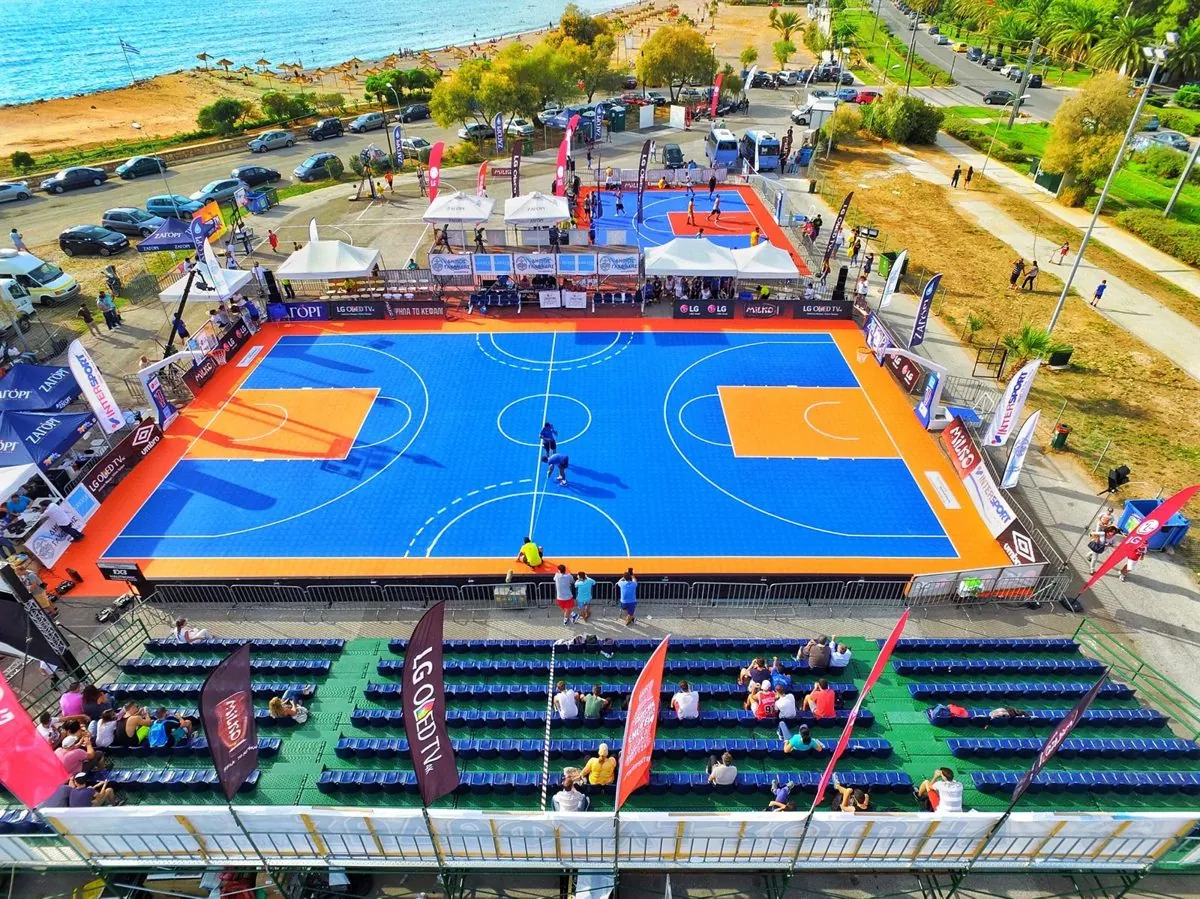
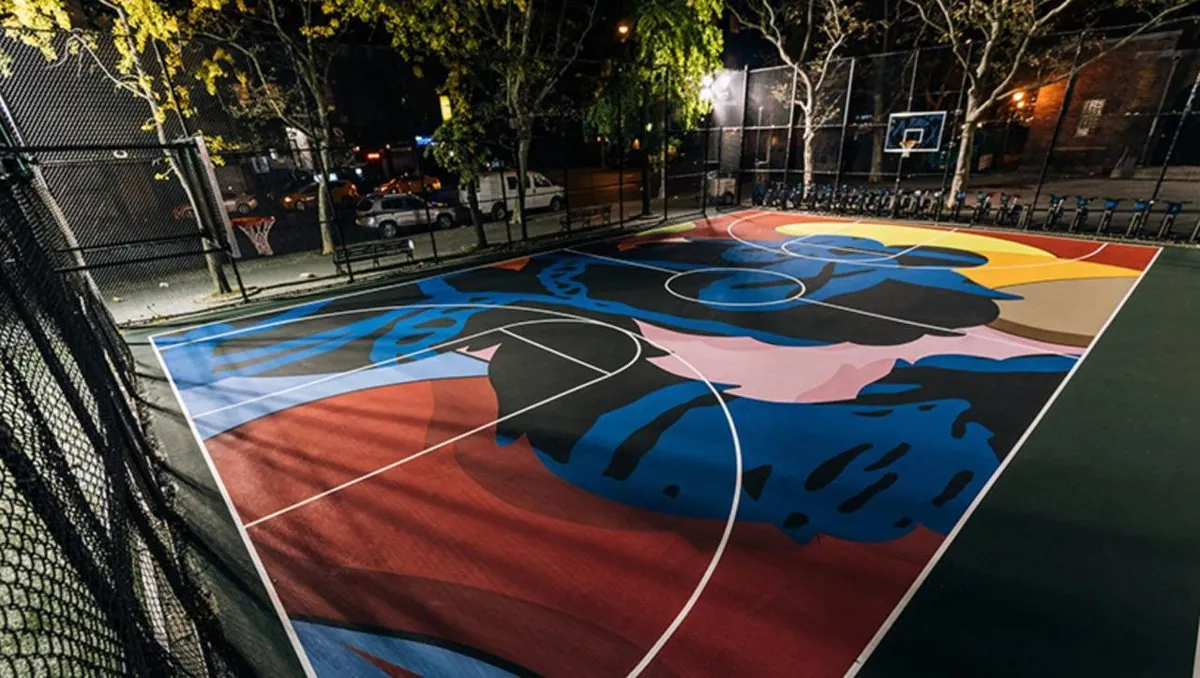
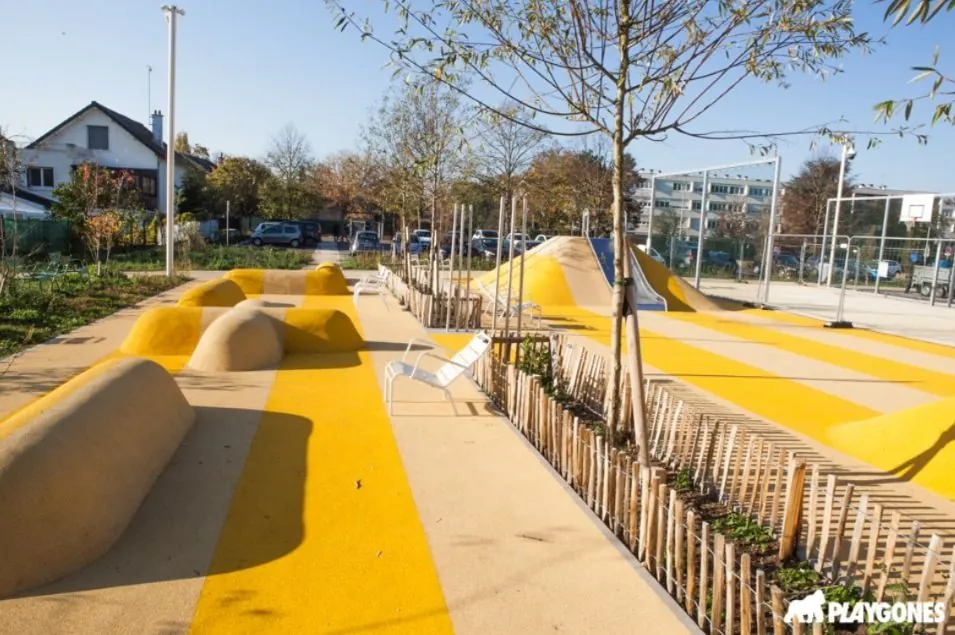
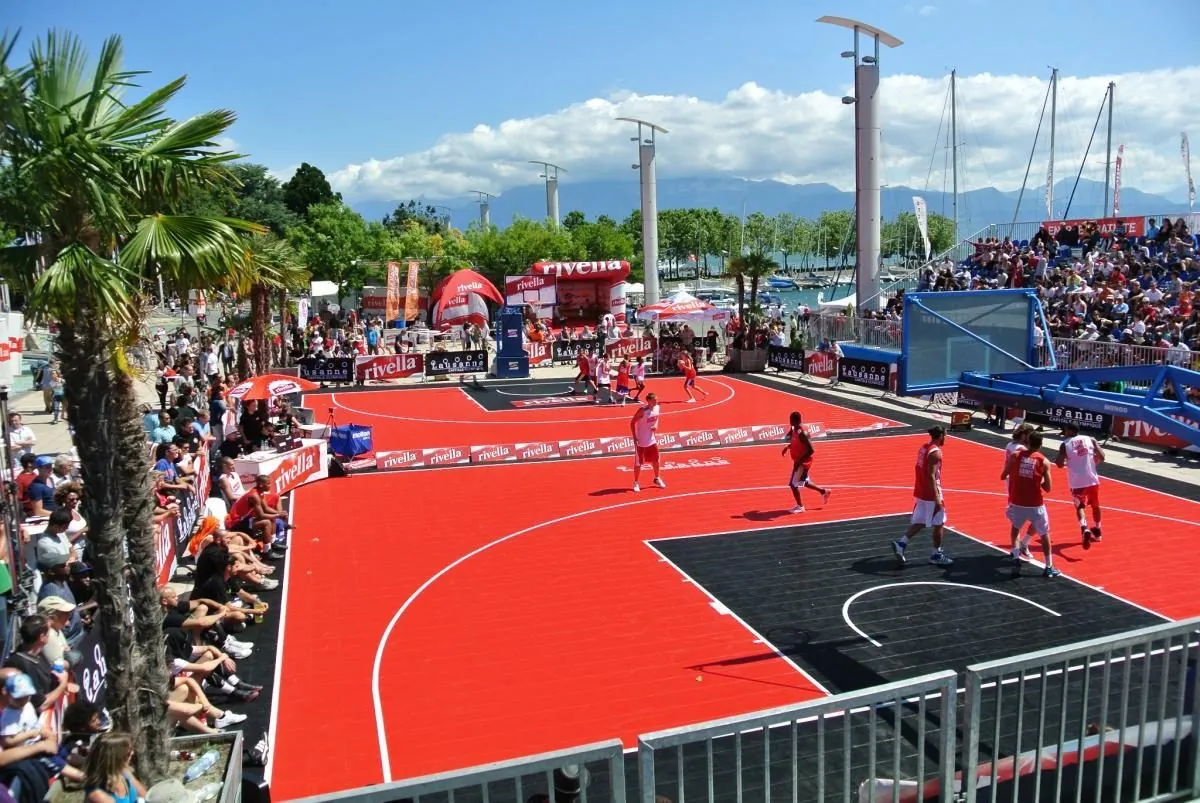
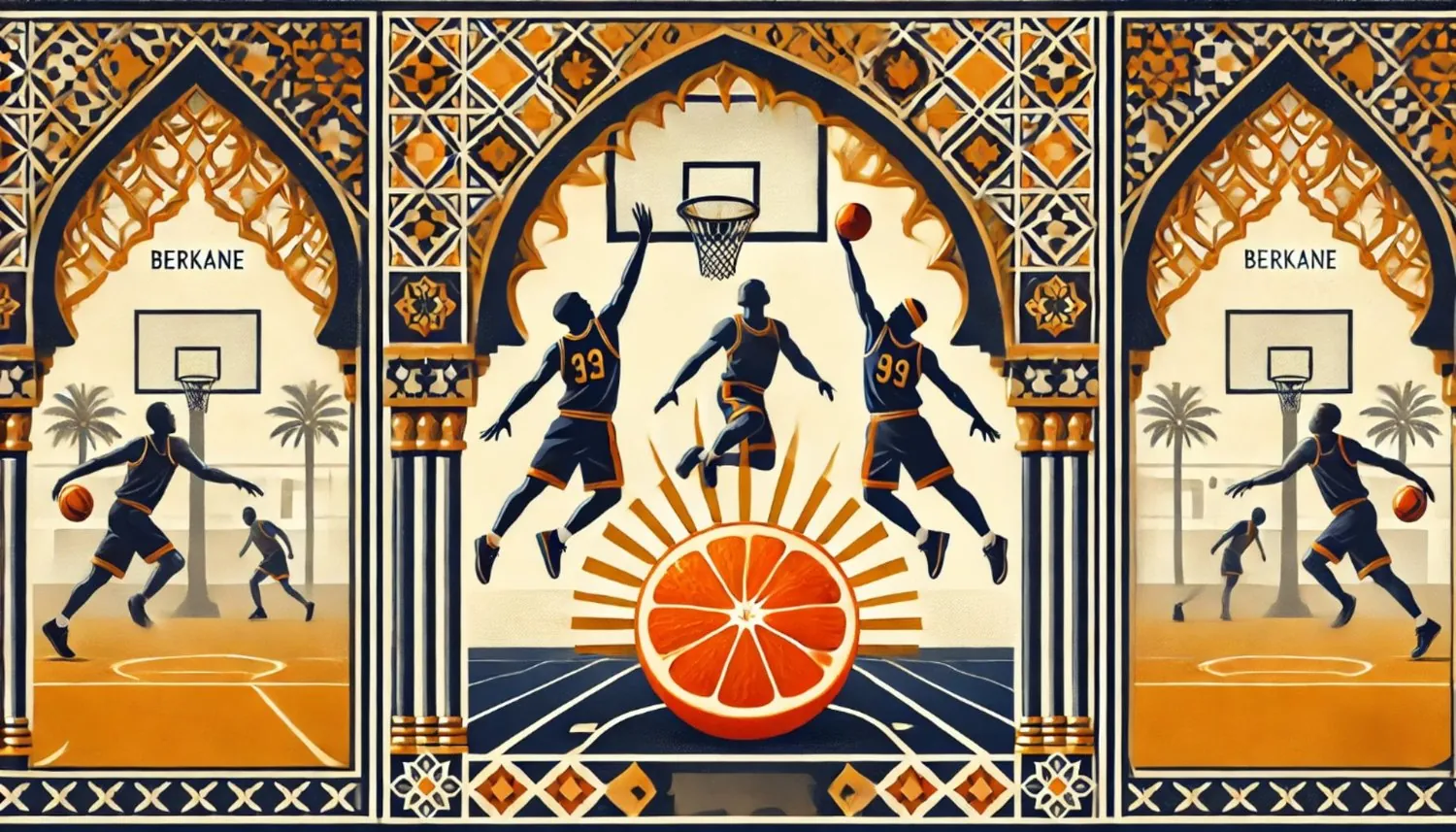
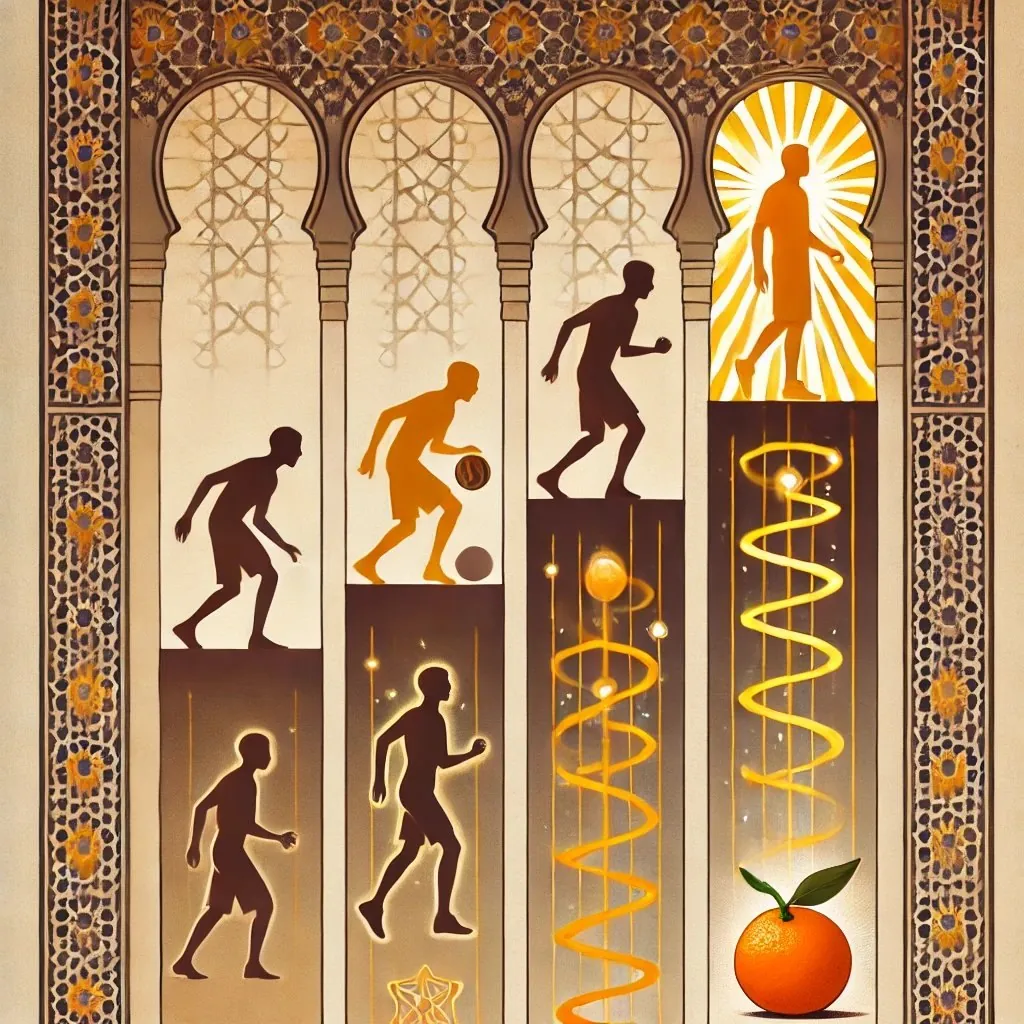
Each space becomes a place of learning and professional progression, with accessible, diploma-level training — sport & event management, coaching, refereeing — designed to reach young people who are Not in Employment, Education or Training (NEET). Solidarity pricing (from a few dirhams an hour, monthly passes and scholarships) keeps it open to the many, while sponsoring and PPP financing make it viable.
Sustainability is a structuring pillar, not an afterthought. The project maps each of the United Nations’ 17 Sustainable Development Goals (SDGs, Agenda 2030) onto a concrete programme — from quality education and decent work to sustainable cities, climate action and partnerships.
The vision rests on a public-private ecosystem — local authorities, technology and industry players, universities and sports federations — coordinated by a dedicated AMOA (project-management assistance) office, within a public-private partnership framework. This is a preliminary vision, currently in development.
End poverty in all its forms everywhere — through access, training and local jobs.
End hunger and promote sustainable agriculture — here, a local agri-bio supply chain.
Ensure healthy lives for all ages — sport, prevention and a sports-medicine pole.
Inclusive, equitable education and lifelong learning — diploma-level training for all.
Achieve gender equality and empower women and girls — equal access to sport and training.
Ensure water and sanitation for all — smart, low-loss water management.
Affordable, reliable, sustainable energy — solar, geothermal and a smart grid.
Sustained growth and decent work for all — jobs for NEET youth, local economy.
Resilient infrastructure and innovation — sport-tech, digital twin and incubation.
Reduce inequality within and among countries — solidarity pricing and inclusion.
Inclusive, safe, sustainable cities — active design and living public spaces.
Sustainable consumption and production — durable, recyclable materials and short circuits.
Combat climate change and its impacts — low-carbon design and renewable energy.
Conserve and use the oceans and marine resources sustainably — on a Mediterranean site.
Protect terrestrial ecosystems and biodiversity — green spaces and the agri-bio prairie.
Peaceful, inclusive societies and strong institutions — sport for social inclusion.
Strengthen and revitalise the global partnership — a public-private (PPP) ecosystem.